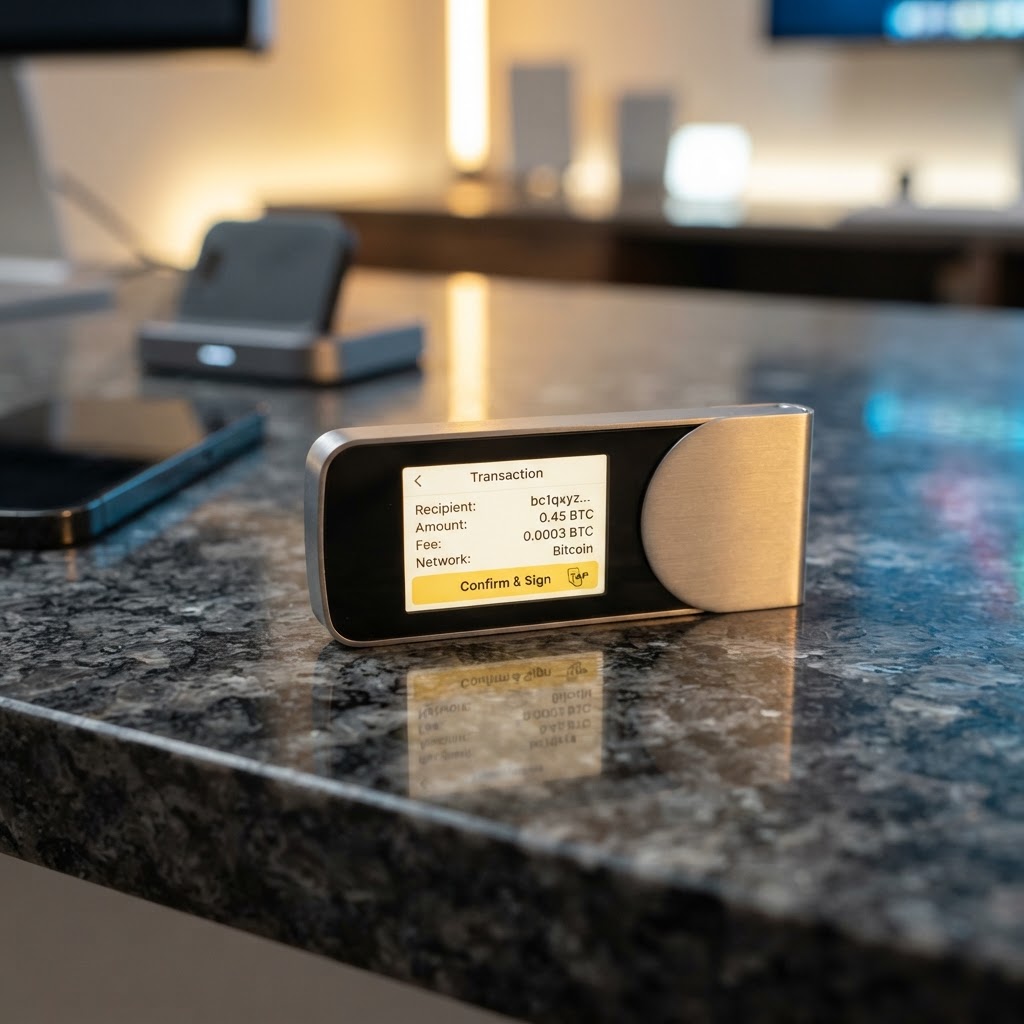
The landscape of digital asset security has undergone a seismic shift over the last decade. From the early days of paper wallets and basic USB-style devices to the sophisticated, multi-functional tools of today, the evolution has been driven by a singular necessity: making self-custody both impenetrable and accessible. Today, Ledger, the global leader in hardware security for digital assets, has officially launched the Ledger Flex, a device specifically engineered to meet the demands of a mobile-first generation of crypto users. Positioned strategically between the iconic Ledger Nano series and the premium Ledger Stax, the Ledger Flex represents a significant leap forward in tactile security and user interface design.
The Bridging of Two Eras
For years, the Ledger Nano S and its successor, the Nano X, were the gold standards for hardware wallets. Their compact, thumb-drive form factor was perfect for storage but often felt restrictive for users frequently interacting with decentralized finance (DeFi) protocols or NFT marketplaces. At the other end of the spectrum, the Ledger Stax introduced the world to the possibilities of a curved E Ink display and high-end aesthetics. However, the market demanded a middle ground—a device that offered the advanced screen technology of the Stax with a more rugged, portable, and cost-effective profile. Enter the Ledger Flex.
“The Ledger Flex is not just a new product; it is a response to the way the world uses crypto today,” says Pascal Gauthier, CEO of Ledger. “We are moving away from the era where people only bought crypto to hold it in a ‘cold’ drawer. Today’s users are connecting to dApps, minting NFTs on the go, and managing multi-chain portfolios from their smartphones. They need a device that feels like a modern smartphone accessory but maintains the ‘Don’t Trust, Verify’ philosophy of a hardened security module.”
A Visual Security Revolution: The E Ink Touchscreen
At the heart of the Ledger Flex is its 2.84-inch E Ink touchscreen. Unlike traditional LCD or OLED screens found on mobile devices, E Ink is reflective rather than emissive. This means it is easily readable even in direct sunlight and consumes virtually no power when a static image is displayed. More importantly, from a security perspective, the E Ink display is directly controlled by Ledger’s proprietary Secure Element chip. This ensures that what you see on the screen is exactly what the device is signing—a concept known as ‘Clear Signing.’
In the current crypto environment, ‘Blind Signing’—the act of approving a transaction on a device without being able to see the full details of the smart contract interaction—is one of the leading causes of asset loss via phishing. The Ledger Flex’s large display allows users to read full contract details, addresses, and fees in plain English before confirming. The high resolution provides a level of clarity that was previously impossible on the smaller screens of the Nano series, reducing user error and increasing confidence during high-stakes transactions.
NFC: The End of the Cable Era
One of the most requested features from the Ledger community has been better mobile integration. While the Nano X introduced Bluetooth, the Ledger Flex takes connectivity a step further with the inclusion of Near Field Communication (NFC). This allows users to simply tap their Ledger Flex against their Android or iOS smartphone to authorize transactions within the Ledger Live app. This ‘tap-to-sign’ functionality mimics the convenience of modern mobile payment systems like Apple Pay or Google Pay, but with the added layer of a CC EAL6+ certified secure element.
The integration of NFC also addresses a common pain point for mobile users: the need for cables or the potential instability of Bluetooth pairing. By utilizing NFC, the Ledger Flex ensures a near-instantaneous connection that is only active when the device is in physical proximity to the phone, adding a literal layer of ‘proximity security’ to the user’s workflow. This makes the Flex the ultimate companion for the ‘road warrior’ crypto enthusiast who needs to manage assets during a commute or while traveling.
Hardened Security: The BOLOS Architecture
Despite its sleek exterior and consumer-friendly interface, the Ledger Flex remains a fortress at its core. It utilizes the ST33K1M5 Secure Element chip, the same class of security hardware used in passports and credit cards. Running on top of this hardware is BOLOS (Blockchain Open Ledger Operating System), Ledger’s unique operating system that allows for the isolation of different applications on the device. This architecture ensures that even if an app for a specific cryptocurrency were to have a vulnerability, the user’s private keys (the 24-word recovery phrase) remain isolated and inaccessible.
Ian Rogers, Chief Experience Officer at Ledger, emphasizes the importance of this technical foundation: “Design is nothing without security in this industry. With the Flex, we’ve managed to pack our most advanced security architecture into a form factor that feels natural. The touchscreen isn’t just a gimmick; it’s a security interface. When you touch that screen to sign, you are interacting directly with the Secure Element. There is no ‘middleman’ software that can be hijacked by a virus on your computer or phone.”
FIDO2 and the Future of Digital Identity
The Ledger Flex is designed to be more than just a crypto wallet; it is a comprehensive tool for digital sovereignty. The device supports the FIDO2 standard, allowing it to act as a physical security key for two-factor authentication (2FA). In an age where SIM-swapping and email hacks are rampant, having a physical device to secure accounts on platforms like Google, GitHub, and major crypto exchanges is vital. By supporting FIDO2, the Ledger Flex allows users to eliminate the need for vulnerable SMS-based 2FA, replacing it with a hardware-backed authentication process that is virtually impossible to intercept remotely.
Furthermore, the device is compatible with the optional Ledger Recover service, provided by Coincover. This service allows users to create a secure, encrypted backup of their recovery phrase, split into three fragments and stored with independent security providers. While controversial among some purists, the service is a significant step toward making self-custody viable for the average person who fears losing a physical piece of paper containing their seed phrase. The Ledger Flex’s large screen makes the onboarding and backup process for such services significantly more intuitive for the end user.
The Aesthetic of Utility
Physically, the Ledger Flex feels substantial. It features a high-quality aluminum frame and a shatter-resistant glass face, giving it a premium feel that belies its competitive price point. The device is thin enough to fit comfortably in a pocket but wide enough to make typing a PIN or reviewing a recovery phrase a painless experience. The side button provides a tactile ‘click’ for powering the device on and off, while the rest of the navigation is handled via the responsive touchscreen.
The introduction of the Flex also marks a shift in Ledger’s design language. The device is available in a variety of finishes, including the classic ‘Graphite’ and a more striking ‘BTC Orange’ for early adopters. This focus on aesthetics acknowledges that hardware wallets are becoming lifestyle products—items that users carry with them daily, similar to a high-end watch or a designer wallet. The ability to customize the lock screen with a favorite NFT or a personal image further personalizes the device, turning a piece of security hardware into a digital gallery.
The Competitive Landscape
The launch of the Ledger Flex comes at a time of intense competition in the hardware wallet market. Competitors like Trezor and OneKey have also been pushing toward larger screens and better mobile compatibility. However, Ledger’s advantage remains its deep vertical integration. The Ledger Live app is arguably the most polished companion software in the industry, offering built-in features for staking, swapping via aggregators like 1inch, and even purchasing crypto directly with fiat through partners like MoonPay and Banxa.
By launching the Flex, Ledger is effectively squeezing the competition by offering a ‘Pro’ experience at a price point that remains accessible to the average retail investor. The device simplifies the transition for those moving away from centralized exchanges (CEXs) following the high-profile collapses of 2022 and 2023. For these users, the familiarity of a touchscreen and the ease of NFC make the leap to self-custody feel less like a technical chore and more like a natural evolution of their digital life.
Technical Specifications and Availability
The Ledger Flex boasts impressive technical credentials. The 2.84-inch display has a resolution of 600 x 480 pixels, providing crisp text and detailed imagery. It weighs approximately 57 grams, making it light enough for portability but heavy enough to feel durable. The battery life is rated for several weeks of standby time, and the device charges via a standard USB-C port, which also serves as a wired connection point for desktop users. It supports over 5,500 different coins and tokens through the Ledger Live ecosystem, including major chains like Bitcoin, Ethereum, Solana, and many others.
The device is available for purchase starting today through the official Ledger website and selected retail partners globally. As the industry continues to mature, the focus is clearly shifting toward the user experience. The Ledger Flex is a testament to the belief that the most secure technology in the world is useless if it is too difficult for the average person to use correctly. By prioritizing ‘Clear Signing’ and mobile-first connectivity, Ledger is not just selling a device; they are advocating for a safer, more transparent way to interact with the decentralized future.